Fund treatment
We buy generic hydroxyurea and cover the cost of treatment for disadvantaged children through our partner hospitals. 40 € covers one year per child.
In Senegal and Burkina Faso, we fund hydroxyurea for children with sickle cell disease who would otherwise have no way to afford it.
We step in surgically where no one else does, prove that change is possible, then hand off.
We aim for a double impact: treating children today, and creating leverage so the treatment becomes lastingly accessible to all. We act caregiver to caregiver, with the children's best interest as our only compass.
Where the treatment doesn't exist yet, we bring it; when local coverage takes over, we welcome it and carry our support to other children, other regions.
We buy generic hydroxyurea and cover the cost of treatment for disadvantaged children through our partner hospitals. 40 € covers one year per child.
We rely on a network of hospitals and local associations that select the children, handle medical follow-up and distribute the treatment.
Our overhead is close to zero: every member is a volunteer, and we rely on modern digital tools to streamline patient follow-up and the running of the association.
Senegal shows where our approach leads; Burkina Faso, why it is still vital.
Five years ago, hydroxyurea was in chronic shortage in Senegal: rarely prescribed, reserved for the most severe cases, out of reach on both cost and access. Families would take the bus for several days to reach the Albert Royer hospital in Dakar.
At first we carried the treatment in airplane luggage, under a humanitarian customs waiver: 120 € per child per year, in a country where the average wage barely exceeds that sum. We became the indispensable point of leverage, while tackling the root causes: supporting the training of caregivers and, through our co-founder Pr Jean-Benoît Arlet, president of Drép.Afrique, the local production of a generic that cut the cost threefold.
Today, as the Le Monde report shows, the treatment is becoming standard care. This is exactly what we set out to do: our theory of change is playing out, and we are now carrying the relay to other children, other regions.
In Burkina Faso the situation remains critical: hydroxyurea is not available in pharmacies, and we are currently its only supplier.
There we work in complement with other actors, such as the Fondation Pierre Fabre, which supports screening and therapeutic education. We provide the vital treatment itself. It's the same conviction as in Senegal, at a different point on the curve: stay indispensable for as long as it takes, to open the way as we did there.
A few of the children and families followed in our partner hospitals. Out of respect for their privacy, we show only their first names.
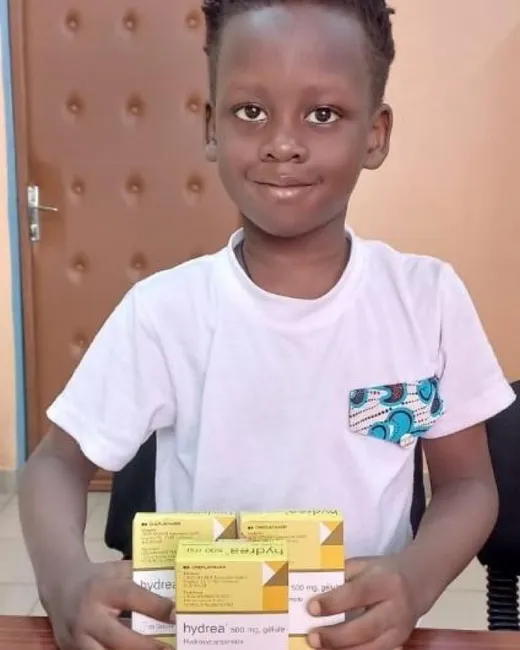
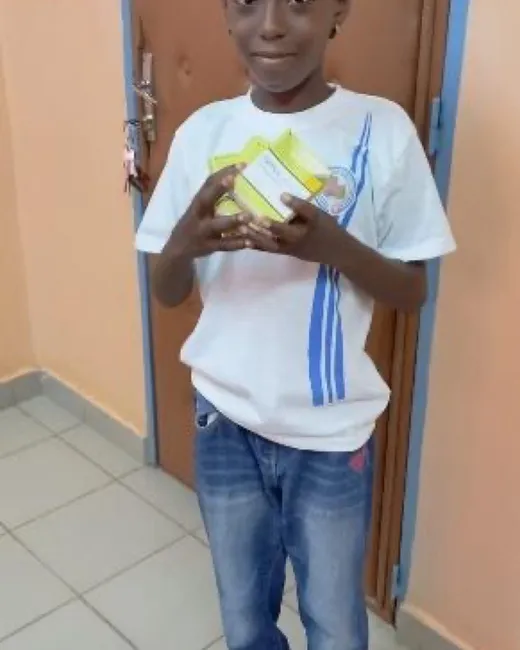
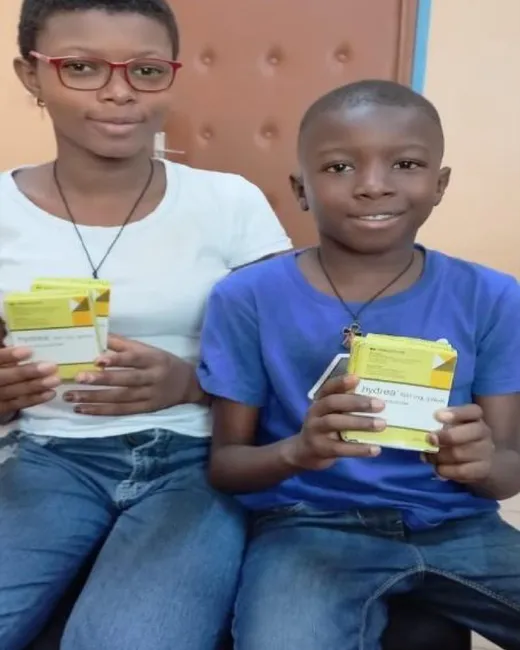
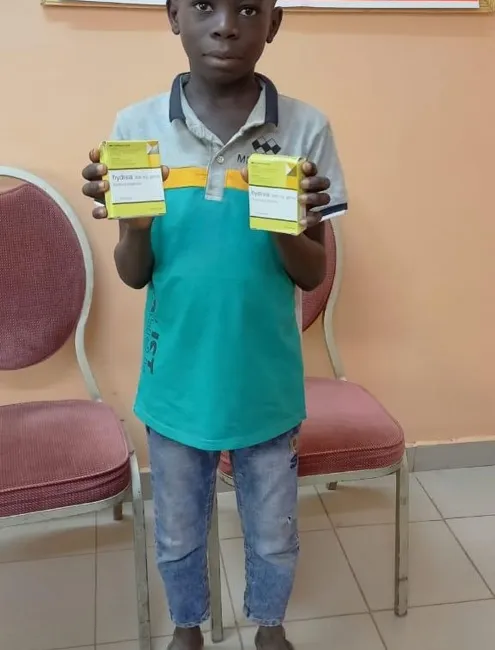
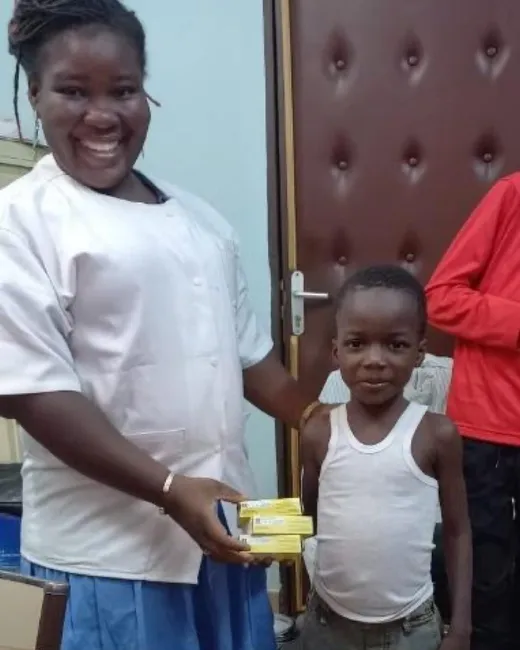
Our work relies on a network of hospitals and local associations that select the children, track their progress and distribute the treatment.